All About Our Origins
15/12/25
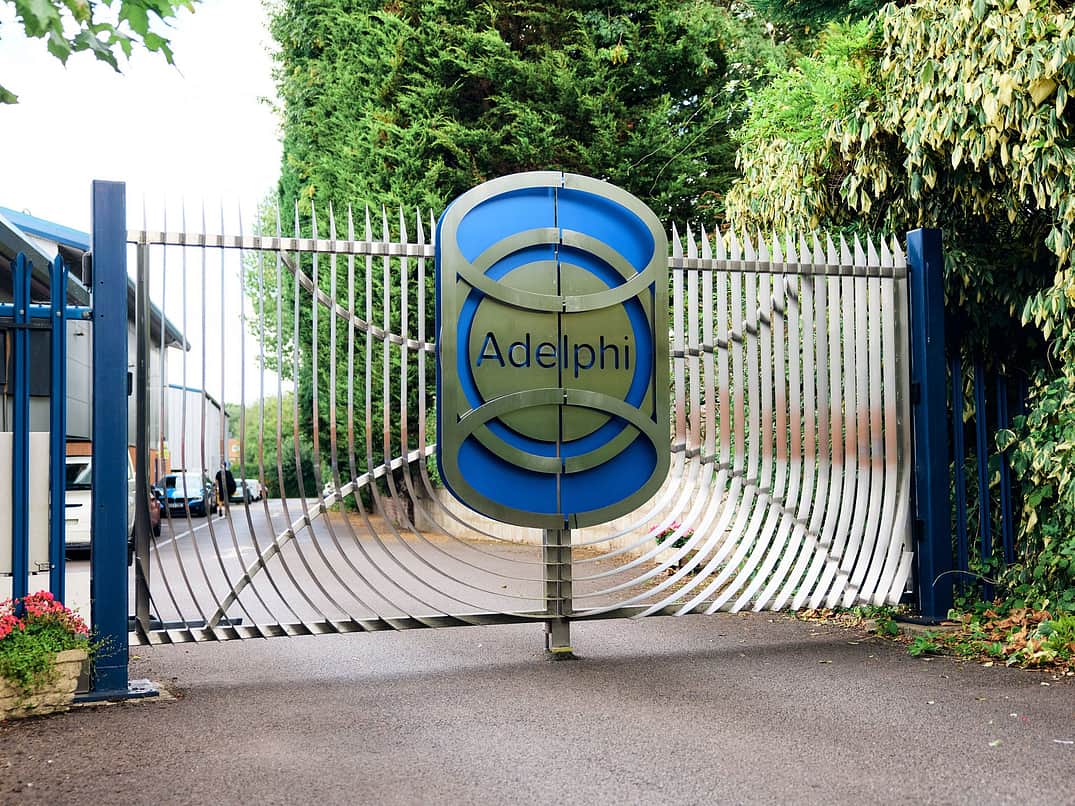
Adelphi is the Greek word for ‘brothers’. The name was inspired by the three Adam brothers, two famous architects and one entrepreneur who together designed and built the original Adelphi building on the Strand in London.
The Adelphi Logo
Our logo features a cylinder inscribed over the sphere it contains, the same symbol Archimedes requested for his tomb. He chose it to commemorate his discovery of the relationship between volume and surface area in spheres and cylinders.
For Adelphi, the logo reflects:
- The classical references of our name
- The precision with which our machinery is designed and manufactured
- Our expertise in vessels and containers of all kinds
Clean, accurate engineering for the wide range of industries we serve
The Adelphi Complex
Today, the Adelphi site is made up of several buildings, each with a name tied to our history.
Strand House
Named after the original Adelphi building on the Strand near Charing Cross station, where the river once reached the vaulted lower rooms in Adam Street.
The Friary
Takes its name from the Friary Meux Brewery in Guildford, founded by our Chairman Stephen Holroyd’s great-grandfather. The brewery site is now a shopping mall called The Friary.
The Sheldonian
Inspired by the Sheldonian Theatre in Oxford, a classical-style building surrounded by Greek-style monuments. Stephen Holroyd, who attended school in Oxford, felt the building’s design captured Adelphi’s values and honoured our Greek connections.
Olympus House
The overall site is named Olympus House, after Mount Olympus, the mythological home of the ancient Greek gods. Many of Adelphi’s machines also draw from mythology, such as the Vesta tube sealers and Cerberus tube fillers.
Local History
Two other buildings on the site reflect the heritage of the surrounding area:
- Blacksmiths: Originally the blacksmith’s shop for the Haywards Heath town gas company.
- Finch’s Yard: Once Jesse Finch’s builder’s yard and sheds. Jesse was among the first business owners in Haywards Heath after the railway arrived in the 1850s. He worked as a builder, merchant, and undertaker. In the brick building’s wall, an oblong wooden slot still remains, once used to discreetly slide coffins onto horse-drawn carriages. Jesse later expanded his sheds to what is now the Waitrose site and likely built many of the houses in Mill Green Road and surrounding areas. The clay for the bricks came from a site next door, now occupied by Sunninghill.