How long should inspectors examine each unit?
A: At least 5 seconds, rotating vials in front of both white and black backgrounds.
18/12/25
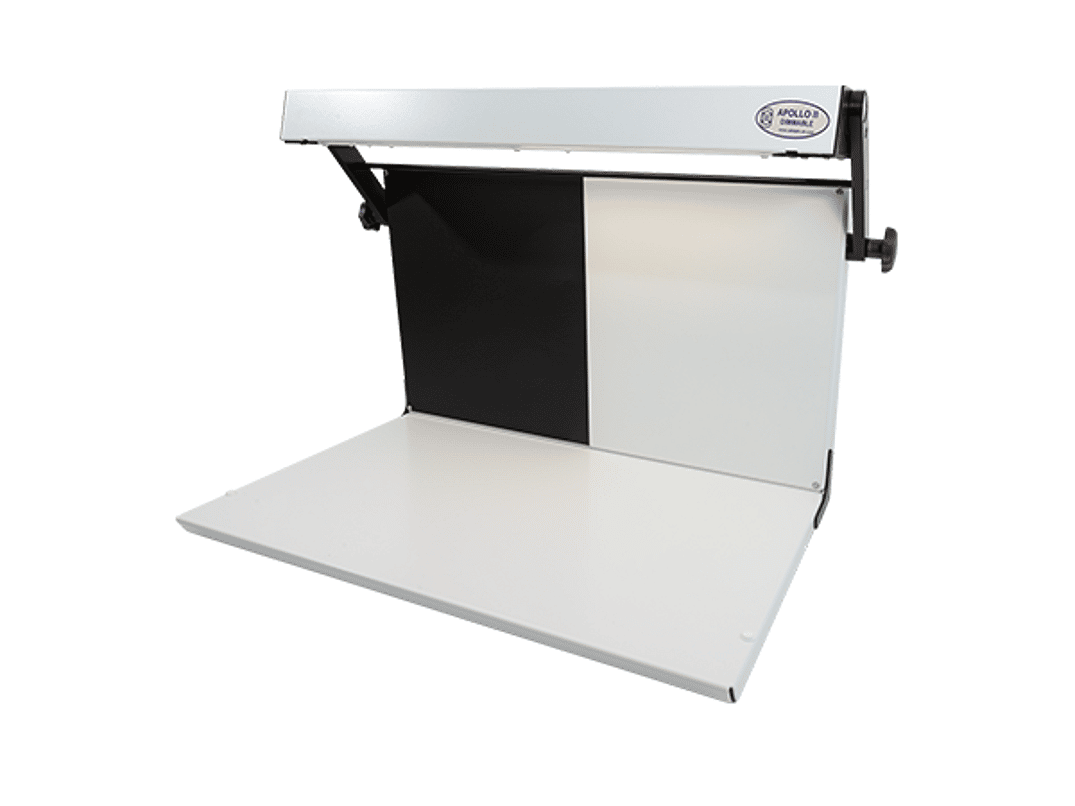
Ensuring the absence of visible particulate contamination in biopharmaceutical products is critical for regulatory compliance and patient safety. Particulates can originate externally - from packaging, hair, or fibres - or internally, including protein aggregates, silicone droplets, or inorganic precipitates.
Products like opalescent liquids, coloured/opaque solutions, and lyophilisates present unique visual inspection hurdles:
Adelphi Manufacturing’s Apollo II High-Intensity Liquid Viewer delivers up to 10,000 Lux, exceeding pharmacopeia standards. This level ensures visibility through coloured glass and enhances clarity for particulate detection.
Key benefits:
While automated systems detect most defects, pharmacopoeia compliance still requires manual inspections for samples from each batch. Manual visual checks using the Apollo range of Liquid Inspection Units ensure regulatory compliance and support final quality assurance.
A: At least 5 seconds, rotating vials in front of both white and black backgrounds.
A: Use ≥ 3,750 Lux, with high‑intensity units offering 8,000–10,000 Lux for optimal clarity.
A: Yes. Even with automation, manual inspection of sampled units remains mandatory under pharmacopeia rules.
| Step | Recommendation |
| 1. Prep | Choose white & black backgrounds |
| 2. Lighting | Use ≥ 3,750 Lux (8,000–10,000 for tough cases) |
| 3. Technique | Rotate vial for at least 5 seconds |
| 4. Documentation | Record results and inspection settings |
| 5. Compliance | Follow pharmacopeia guidelines and use validated equipment |
Equip your team with a visual inspection system like the Apollo II High-Intensity Unit to ensure compliance and safeguard product quality - even for difficult-to-inspect formulations. Need support with integration planning or staff training? Adelphi offers tailored guidance for seamless adoption.