Ask the Expert: Low Viscosity Products
18/12/25
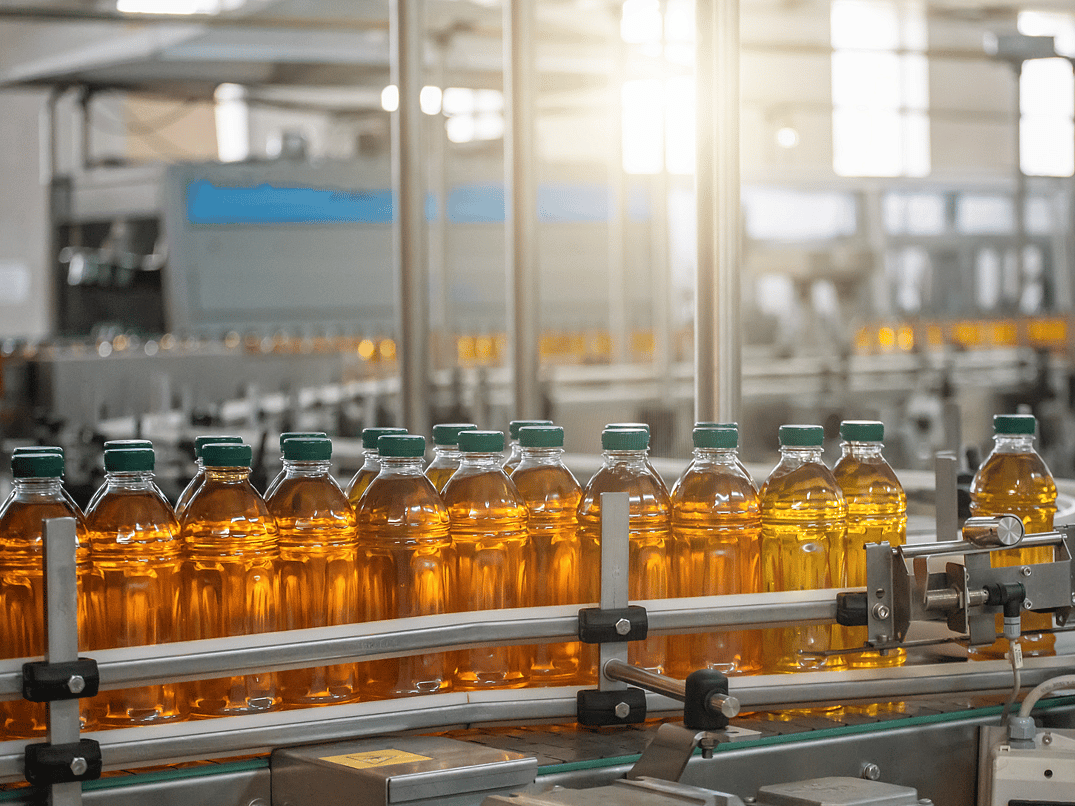
Solutions to the Most Common Challenges in Filling Low Viscosity, Fast-Flowing Products
In this article, we delve into the most common obstacles our customers face when filling such products and provide effective strategies to overcome them. Understanding and addressing these challenges are crucial for manufacturers at all stages of the automation journey; from start-ups to internationals!
Preventing Product Waste and Mess from Dripping
“I find lots of my product is wasted – and mess is created! – by dripping in-between filling my containers.”
Product waste costs money, and clearing up mess costs you time; whatever the scale of your operations. This is often especially an issue with stringy products such as oils. A simple solution to integrate into your existing filler, or to ask potential new machinery suppliers about, is shut-off and suck-back nozzles…
- Benchtop Solution: The shut-off nozzle (often used in conjunction with the Response Benchtop Filler) is specifically designed to stop the flow of product when your desired fill volume is reached.
- Automatic Solution: The suck-back nozzle (seen on the Adelphi Masterfil S5000-A Filler) draws excess liquid back into the system after filling, ensuring precise dosing and preventing drips or spills.
Minimising Foam and Overflow in Thin Liquids
“Because my product is so thin and fast-filling, it has a tendency to foam over and out of the neck of my containers! This is making my labels peel off, so containers are being wasted, and my profit margin is eroded.”
- Automatic filling lines which offer a rise-while-fill programming option are ideal in this scenario. This precisely controls your filling speed, which minimises aeration, and also fills your product with the nozzle submerged just below the rising level to decrease air entrapment.
Ensuring Accurate Fill Levels by Eliminating Air Bubbles
“The fast flow when I fill my product is trapping air bubbles, which means that my fill levels aren’t always accurate. When I line up all my bottles next to each other, the inconsistency is noticeable! I need my customers to have a reliable impression of my business, and not to feel that they’re being short-changed.”
- Be sure to regularly air-purge your filling machine, to prevent air from getting into your product via the filling nozzle.
Reducing Splashback in Tapered Containers
“My style of container tapers towards the top, and this is causing spray and splashback when filling gets to the top, which makes my production space messier and less efficient.”
Splashback is a real time waster, but also means that some of your product is being unnecessarily wasted, which is essential to prevent. Automation is great for solving issues like this!
- If you are filling semi-automatically and holding your container in your hand, make sure to raise the nozzle out of the product as the filling reaches nearer the top.
- If you are running a fully automated filling line, with the option to save filling ‘recipes’, we recommend setting a slower fill speed from when the container gets to around 75% full.
Although it may seem like these could slow down production in terms of output per minute, it pays itself back in time saved cleaning up mess, and in the profit margin of product not being lost.
Overcoming Low Viscosity Filling Challenges to Boost Productivity
By understanding and addressing the most common obstacles discussed in this article, we will support you to implement effective strategies to overcome them. We share a commitment to continuous improvement with our customers, and welcome the opportunity to consult with you, to streamline your operations, enhance your product quality, and ultimately, ensure greater customer satisfaction. Staying proactive in identifying and resolving these challenges is paramount to maintaining a competitive edge and achieving success.