Ask the Expert: Overcoming Common Challenges
18/12/25
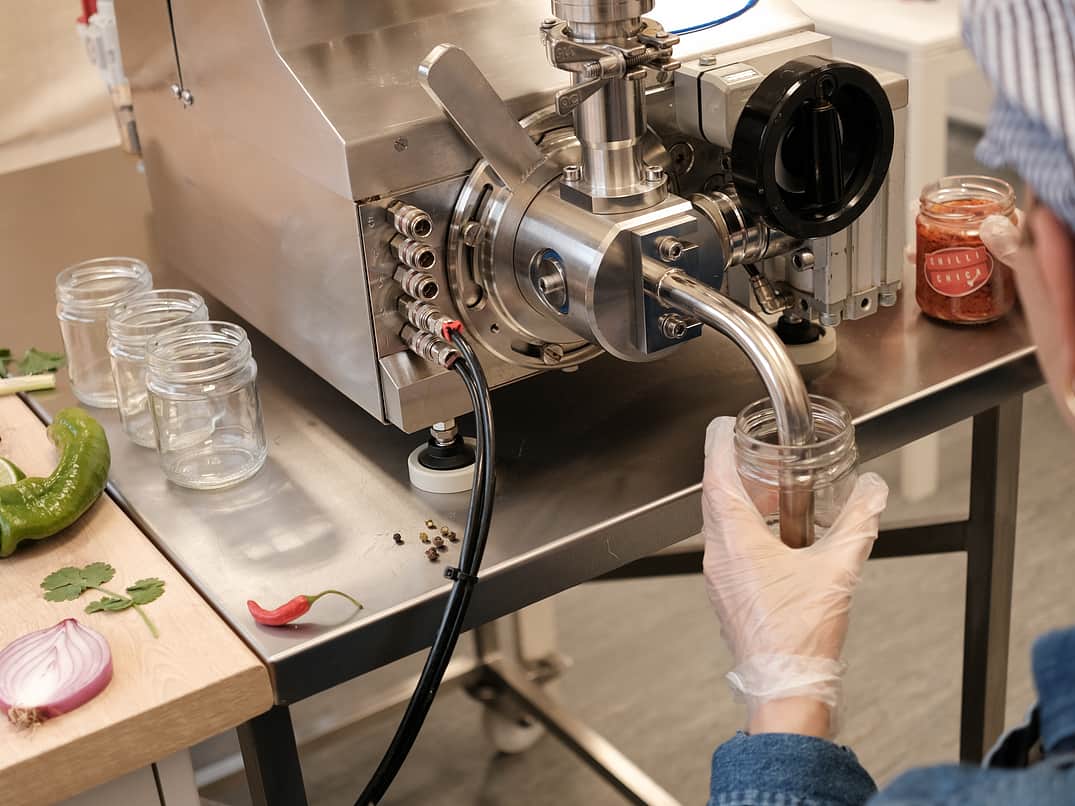
In the fast-paced world of manufacturing, precision and efficiency are critical. Liquid filling is a vital part of production, yet it comes with its own set of challenges that can disrupt operations and impact product quality.
Andy Clark, Northern Sales Manager at Adelphi Masterfil, draws on over 20 years of industry experience to outline the ten most common filling and operational challenges – with practical solutions to help manufacturers overcome them.
Challenge 1 – Inconsistent Filling Levels and Volumes
Variations in fill levels can be costly. Underfilling can harm brand reputation, while overfilling wastes product. Common causes include:
- Temperature fluctuations affecting viscosity
- Entrapped air in the product
- Dripping from the nozzle
- Outdated machinery
- Poor maintenance
Solutions:
- Use a product header tank with temperature compensation to maintain flow and accuracy.
- Adjust filling speed to minimise air pockets – as Adelphi customer Mayfield Laboratories discovered, optimising speed increased consistency and throughput from 16 to 25 bottles per minute.
- Ask your supplier about suck-back or shut-off nozzles to prevent end-of-fill drips.
Challenge 2 – Product Waste from Overfilling
Manual filling often averages ±10% accuracy. Overfilling just 10 containers can mean giving away an entire product measure.
Solutions:
- Confirm average accuracy and repeatability with machinery suppliers to inform ROI calculations.
- Adjust fill speeds to reduce spillages.
Challenge 3 – Dripping and Spills
Drips and spills create mess, waste product, and slow production.
Solutions:
- Choose machinery with anti-drip nozzle options, such as suck-back or shut-off systems.
Challenge 4 – Foaming and Agitation
Excessive foaming affects product quality and shelf life.
Solutions:
- Fine-tune the machine so the nozzle rises while filling, preventing aeration and ensuring smooth, consistent fills.
Challenge 5 – Clogging and Blockages
Blockages disrupt production and require costly downtime.
Solutions:
- Implement preventive cleaning schedules and spare parts management.
- Consider machines with built-in CIP (Clean-In-Place) systems.
- For semi-automatic units, mobile frames or multiple machines allow cleaning while production continues.
Challenge 6 – Unplanned Downtime
Frequent breakdowns reduce productivity.
Solutions:
- Invest in durable, robust machinery and adhere to maintenance schedules.
- Work with experienced suppliers offering strong after-sales support.
- Use filling recipe recall features on your HMI to reduce manual adjustments and changeover delays.
Challenge 7 – Cleaning and Sterilisation
Cleanliness is essential in highly regulated industries such as food and pharmaceuticals.
Solutions:
- Select equipment designed for easy cleaning.
- Consult suppliers about effective cleaning techniques and simplified sterilisation processes.
Challenge 8 – Quality Control and Compliance
Maintaining product quality and regulatory compliance is essential.
Solutions:
- Implement real-time monitoring and comprehensive quality control measures.
- Work with suppliers accredited to industry standards, such as ISO 9001:2015, to ensure consistency, documentation, and adherence to statutory and regulatory requirements.
Challenge 9 – Environmental Impact
Manufacturing can have a significant environmental footprint.
Solutions:
- Reduce product waste.
- Partner with sustainably minded suppliers or certified B-Corp companies.
- Invest in energy-efficient machinery to lower consumption and carbon emissions.
- Implement waste management strategies, including recycling and responsible disposal.
Challenge 10 – Scaling Up as Your Business Grows
Expanding production requires careful planning.
Solutions:
- Discuss growth plans early with your supplier to ensure machinery can scale with your business.
- For example, Adelphi Masterfil’s S5000-A 5L machine can accommodate 2–8 filling heads, and up to 12 heads on the S1000-A 1L machine, allowing additional capacity as product volumes increase.
By recognising these common challenges and implementing proactive solutions, manufacturers can optimise production, reduce costs, maintain quality, and minimise disruptions. This guide equips you with the knowledge to tackle liquid filling challenges effectively, ensuring smoother, more efficient operations.