Ask the Expert: Thick, High-Viscosity Products
18/12/25
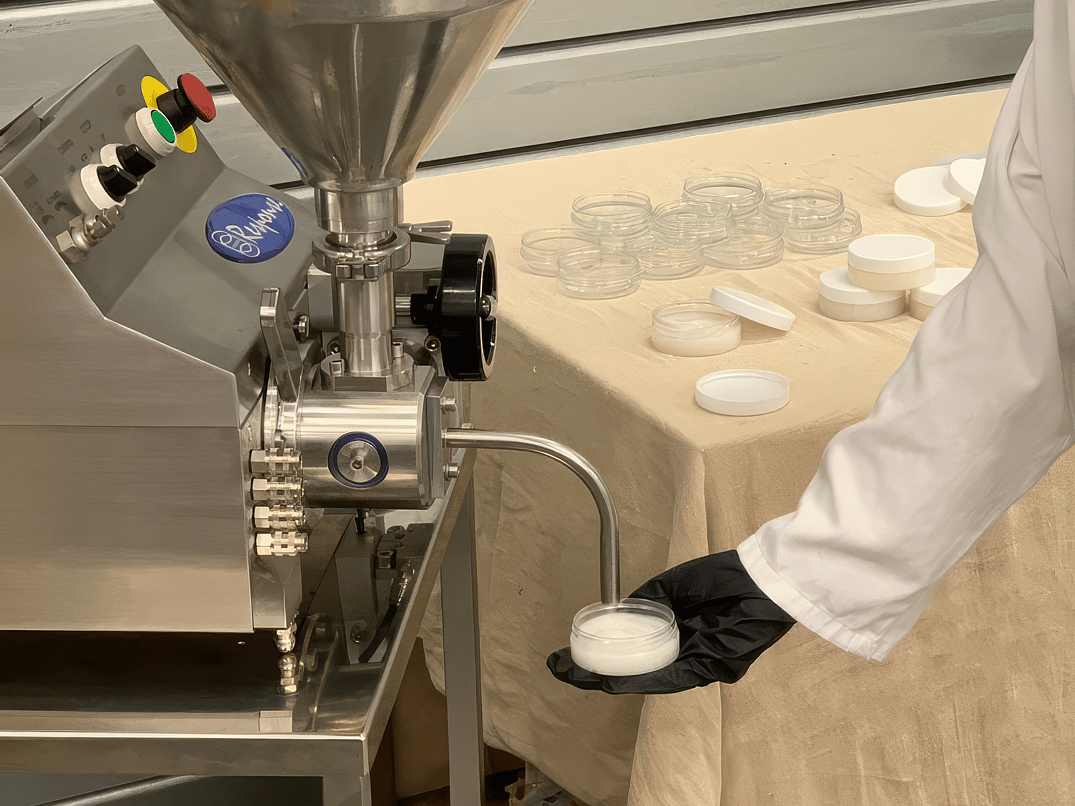
Whether you are producing adhesives, nut butters, dermatological creams, or rich sauces, maintaining consistency and quality is vital. Drawing on over 30 years of experience, Adelphi’s Dean Willis shares his five essential tips for optimising the manufacture and filling of thick, high-viscosity products.
Examples of High-Viscosity Products
Nut butters, chutneys and relishes, body butters, hummus, dermatological creams, thick sauces, body scrubs, and other products that require careful mixing and filling.
1. Invest in Equipment that is Fit for Purpose
When handling high-viscosity materials, choosing the right machinery first time is critical. Invest in robust mixers, pumps and filling equipment that have been proven with thick substances. Cheaper options often lead to downtime and higher maintenance costs.
When sourcing equipment, ask suppliers for case studies of similar products and request a live demonstration using your own formulation. Some suppliers will even arrange a site visit so you can see the machinery in action.
2. Optimise Your Mixing Techniques
Proper mixing guarantees uniform viscosity and product quality, so every batch delights customers. Inconsistent mixing can create lumps or variations that discourage repeat purchases.
Consider shear or high-shear mixing to break down particle clusters and distribute ingredients evenly. Experiment with mixing speeds and durations, and work with your equipment supplier to identify the best method for your specific product.
3. Maintain Consistent Temperatures
Viscosity is temperature-dependent. Many thick products mix and fill more efficiently when gently heated. Use temperature-controlled equipment, such as water-jacketed vessels, to regulate heat throughout the process.
For example, Adelphi’s Response Benchtop Filler can be supplied with a water-jacketed hopper to keep product at the optimum temperature. Real-time monitoring helps prevent overheating or cooling, keeping flow properties consistent.
4. Implement Rigorous Quality Control
Establish robust quality checks to monitor viscosity, texture and other key parameters at every stage. Use viscometers or rheometers for accurate measurements and carry out in-process testing to catch inconsistencies early.
Regularly calibrate instruments and record results to spot trends and refine your process over time.
5. Prioritise Safety and Cleanliness
Thick materials can be difficult to handle and clean. Provide staff with full training and appropriate personal protective equipment. Choose stainless-steel machinery and a production layout that makes cleaning straightforward.
Plan regular cleaning and maintenance to prevent contamination and prolong equipment life. Before purchasing filling machinery, ask how long it takes to strip and clean the system, as downtime directly affects profitability.